Revenue can be your main driver

Are revenue streams the driver for your Airport City Development?
Based on different reasons, revenue can be the main objective to develop an Airport City.
The aviation revenues can be poor, vulnerable and unstable, or there can be scenarios in place that makes it difficult to finance the infrastructure and the operational costs in the future by aviation driven revenues only. Real estate development can even be a one time, short term financial lift by implementing a total sales process.
But it must not be a “rescue plan” that leads the management to seek the solution in airport city development. It can be a strategic decision to create corporate value with real estate assets and thereby increase the airports overall value. A driver can also be to stabilise income streams in total by implementing real estate as defensive, low-volatility assets.
Relevant articles for your path

How to find a robust path for investments in real estate at airports
Real estate within an airport’s footprint is a unique asset class that serves as far more than just supportive infrastructure for the terminal. In a mature Airport City, land and buildings are treated as high-value, marketable assets that require professional Asset Management throughout their entire lifecycle. While airport teams are often technically proficient in maintaining these structures, the challenge lies in shifting the focus toward long-term value optimization and evolving market requirements.
The Intergenerational Nature of Assets
Real estate is characterized by an exceptionally long lifetime, meaning the strategic decisions made today must anticipate the user requirements of tomorrow. A central target of modern airport development is to define why stakeholders will choose a specific office, logistics hub, or conference area in ten or twenty years’ time. This forward-looking approach ensures that the portfolio remains resilient against shifting work patterns and technological advancements.
From Infrastructure to Competitive Product
Transforming raw land into a premium business location requires a sophisticated shift in perspective: from being a landlord of necessity to becoming a proactive developer of choice. This involves:
- Defining the Representation: Deciding what the real estate portfolio should represent and how it aligns with the overarching airport brand.
- Infrastructure Resilience: Ensuring that the underlying infrastructure is robust enough to meet future demands for space and connectivity.
- Market-Aligned Development: Creating products that actively compete with the most prestigious business districts in the metropolitan region.
By treating real estate as a core strategic product and making the right investment decisions today, airports can reap the benefits of a stabilized, high-performing portfolio in the future. This proactive stewardship provides the financial "ballast" needed to weather the inherent volatility of the aviation industry.
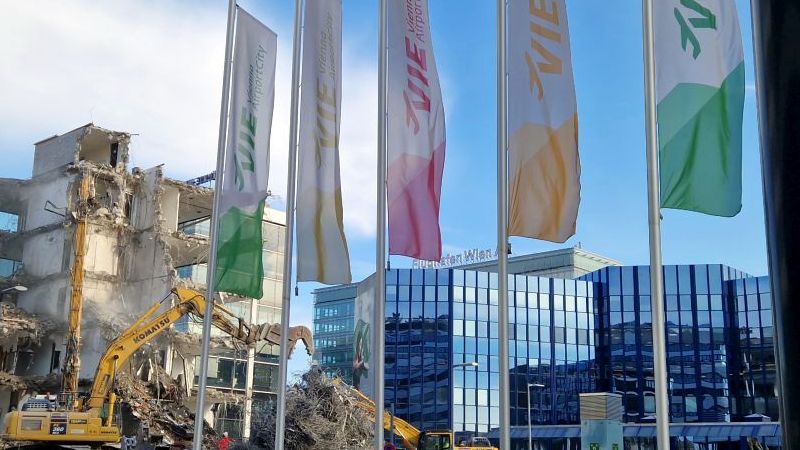
Airport cities incorporate a variety of market opportunities
Investment in an Airport City environment is characterized by high barriers to entry and immense long-term potential. For an airport, the strategic challenge is not merely about identifying sources of capital, but about selecting the specific strategic roles for third-party investors that enhance market strength without compromising the airport’s operational autonomy.
But how can we change our mindset so that we see clients' demands or requirements as business opportunities rather than threats that need to be controlled?
Strategic Roles & Alignment
Business models require a deep understanding of the intended partnership structure in any type of connection. Is the partner a silent financial interlocutor, a specialized developer with specific sector expertise, or a long-term institutional "buy-and-hold" player? Each role brings different expectations regarding risk, return, and control. The objective is to ensure that third-party investments contribute to a cohesive master plan rather than a fragmented collection of independent buildings.
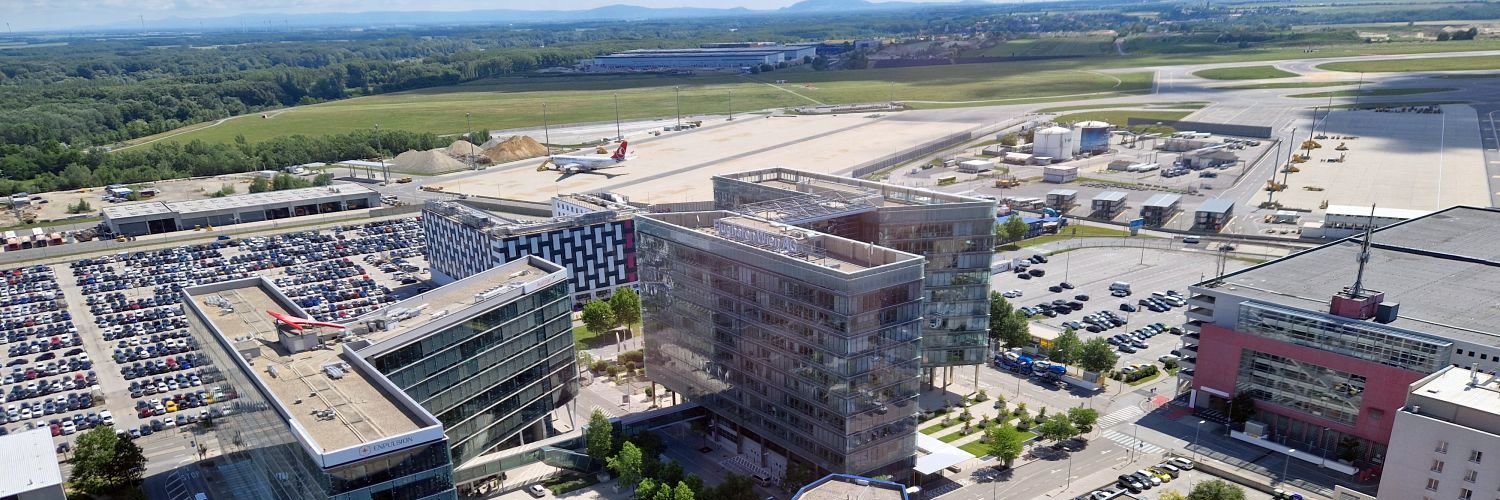
Existing power at locations need to be aligned
Airports have a variety of opportunities at their fingertips. The range of interests tends to be equally diverse. And above that, we observe special interests in the municipalities, in the region, amongst tenants, the cargo community, Airlines etc.
When it comes to investments and business models, cooperation with third parties is almost always necessary. So, we need to understand the language of different industries, whether it's real estate or energy, or any other industry within the complex world of airports.
Successful investment management at an airport involves the complex task of orchestrating a wide array of stakeholders:
- Shareholder Objectives: Aligning the airport’s dividend and growth requirements with the investor's exit or yield strategies.
- Aviation Requirements: Ensuring that commercial developments do not impede future aeronautical expansion or current security protocols.
- Market Dynamics: Balancing the investor's need for rapid execution with the airport’s often longer-term, more cautious administrative cycles.

Creating joint forces through a commitment to cooperation.
Professional investment stewardship requires establishing clear "rules of engagement" early in the process. This involves defining how conflicts of interest—such as competition for tenants or infrastructure cost-sharing—will be resolved. By proactively orchestrating these variables, airports can secure partners who provide not just financial ballast, but the specialized expertise needed to turn ambitious land development visions into resilient, investment-grade reality.

Landside / Airside Interaction. The Aviation System & Commercial Synergy.
The immediate proximity to the airfield is the primary Unique Selling Point (USP) of an Airport City, yet the synergy between aviation operations and real estate development is a complex relationship that requires precise management. A successful business precinct must leverage its location without allowing the stringent requirements of the aviation system to stifle commercial vitality.
Harnessing the Airport Advantage
The value of being "on-site" is rooted in the direct access to global connectivity and specialized infrastructure that city-center locations cannot replicate:
- Multimodal Connectivity: Seamless links between terminals, high-speed rail, and the business campus provide a level of accessibility that is a core driver for international corporations.
- Cargo & Logistics Integration: For companies in the supply chain, the proximity to air cargo hubs and advanced logistics systems—including emerging trends like autonomous transport and vertical cargo solutions—is a critical operational advantage.
- Security & Resilience: The airport’s high standards of security and resilient infrastructure (such as Smart Grids and advanced network tech) provide a stable environment for sensitive business operations.
Navigating Mutual Dependencies
There is an inherent mutual dependency between the two worlds: the aviation system relies on the landside for essential services and commercial revenue, while landside tenants depend on the "heartbeat" of the airfield for their global reach. Effective management involves navigating the overlap between Airside and Landside—balancing security protocols with the need for an open, inviting business environment. By harmonizing these dependencies, the airport transforms from a mere transit point into a highly efficient, integrated economic engine.
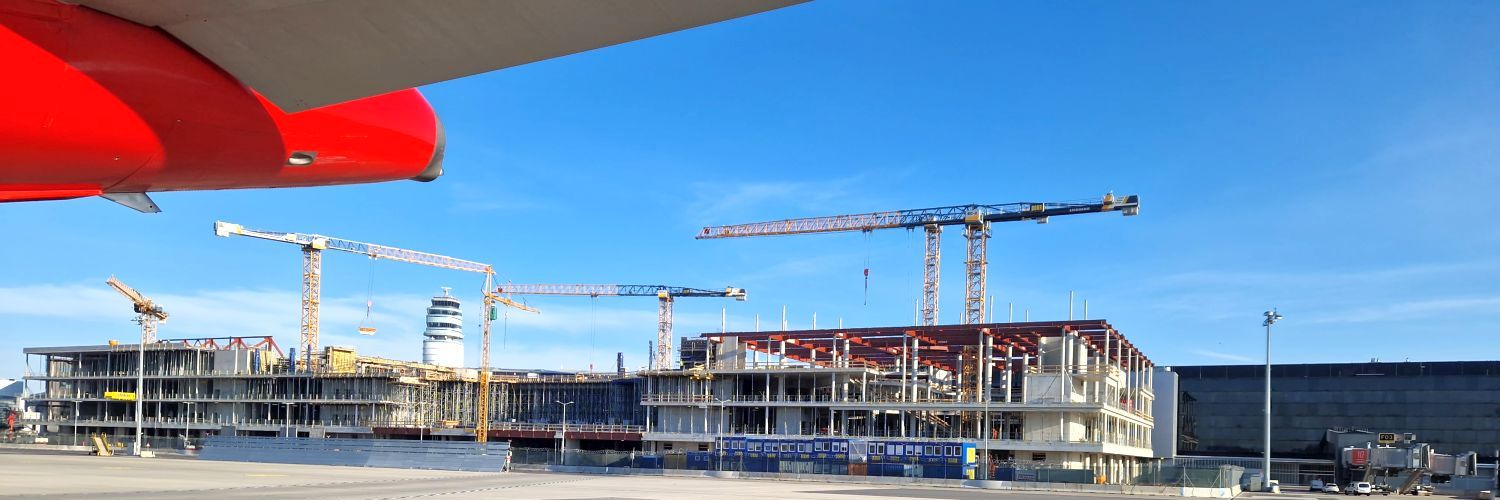
Adding Airport City mindset to the airport core system
Organizational Structure & Strategy
The development of a high-functioning Airport City represents a significant step for an airport operator. Traditionally, an airport’s primary expertise is centered on its "Aviation Mission"—managing highly regulated, operationally intensive infrastructure to ensure safety and efficiency. As the landside potential grows, the organization is called upon to integrate a "Real Estate Mission," which is governed by different market cycles, tenant expectations, and commercial investment logics.
The Natural Alignment of Roles
Airport organizations often possess highly competent and professional staff; however, they are frequently organized around the "Aviation First" mindset. In the established real estate market, professional portfolios are typically managed through two distinct, specialized lenses to ensure the right focus:
- Real Estate Portfolio Management: Focuses on the strategic stewardship of existing assets, optimizing the long-term lifecycle and risk-return profile of the holdings.
- Real Estate Development: Operates at the "front end" of value creation, navigating the complexities of zoning, construction, and market-entry for new projects.
- Bridging the Traditional Gap
The challenge for many airports is not a lack of talent, but that their default organizational "operating system" is built for a different task. Real estate functions can become stuck in traditional administrative processes that were designed for aviation infrastructure rather than commercial property. This can lead to missed opportunities in a fast-moving metropolitan market where agility is key.
The objective is to establish a governance framework that harmonizes these worlds. By introducing professional real estate structures "top-down," the airport can empower its professional staff to maintain aviation excellence while simultaneously managing the landbank as a high-performing, investment-grade portfolio. This organizational maturity ensures the airport remains the preferred partner for regional stakeholders and international investors alike.

Cooperation in the Airport City. Identification, Eco-systems, Clusters and Biotope.
An Airport City is a unique, "closed-loop" ecosystem—a geographic "Closed Shop" that often functions as an independent urban entity with its own dedicated infrastructure, such as private highway exits, power grids, and emergency services. This physical concentration of hundreds of diverse companies and thousands of employees creates a powerful, yet often latent, potential for innovation and regional growth.
The Shift from Landlord to Enabler
Strategic management in this area involves moving beyond the traditional role of a passive lessor to become an active Community Enabler. This transition is essential for several reasons:
- Industrial Clustering: By identifying and fostering specific clusters—such as aviation tech, logistics, or sustainable energy—the airport creates a specialized environment that attracts high-value tenants.
- Synergy through Cooperation: Collaborative platforms allow for shared initiatives in areas like specialized workforce training, joint marketing, and sustainability programs.
- Identity and Place-Branding: Creating a "Campus" atmosphere with identitätsstiftende (identity-forming) spaces and events helps transform a transit hub into a sought-after business destination.
Orchestrating the Community
Activating this ecosystem requires a deliberate orchestration of internal and external stakeholders. It is about bridging the gap between the airport's operational requirements and the social and professional needs of the campus population. When successful, this approach fosters a resilient community that is deeply integrated into the regional economy, turning the airport into a vital partner for the surrounding municipalities and a catalyst for long-term Standortverbesserung (site improvement).
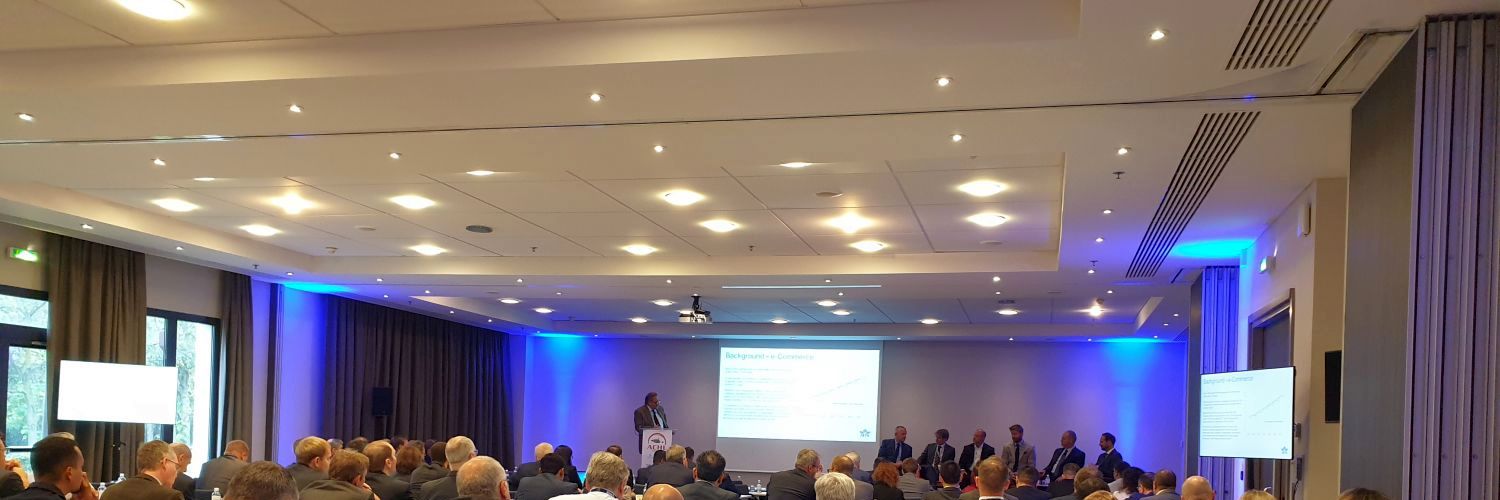
By defining clusters, eco-systems can grow organically
Clusters are well-defined ecosystems, usually tied to a specific industry or interest group. The power of such clusters lies in the high level of loyalty and identification with that particular cluster, as it raises awareness of the members' challenges. However, such clusters also provide services for their members, such as education and exchange programmes.
The advantage of an Airport City being home to such a cluster is that tenants and other partners recognise the location as a "place to be". Workforce can be found more easily within such clusters, and the provided services make the location attractive to employees. Cooperation is easier due to short distances and the possibility of networking in person.
For an airport city development perspective, clusters are of a huge advantage but it costs effort to build it. You should find out which cluster you can build at your airport!
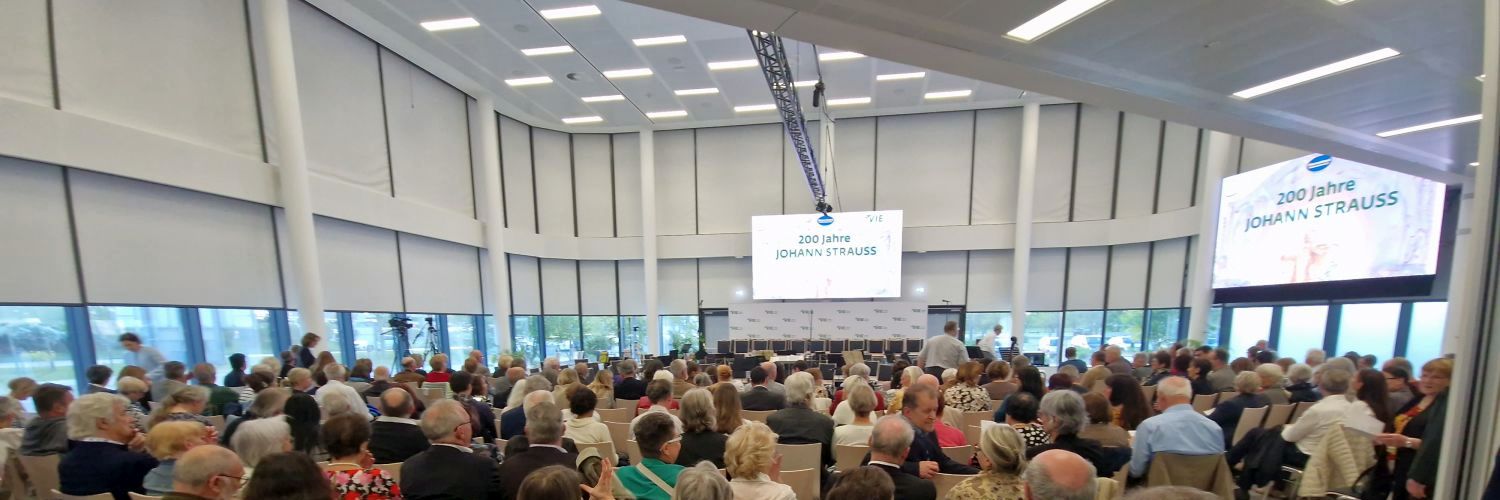
Airport City Ecosystems: Cultivating High-Performance Business Clusters.
Synergy Management: Connecting the On-Site Community with Regional Value.
A thriving Airport City is far more than a collection of buildings; it is a living Eco-System. At its core lies a vibrant on-site community of employees, passengers, and service providers whose daily interaction defines the location's energy and attractiveness.
We specialize in unlocking the strategic potential of these unique environments by:
- Fostering Industry Clusters: Leveraging the airport’s role as a global mobile hub to attract specialized sectors—from high-tech logistics to international corporate headquarters—creating a self-reinforcing circle of growth.
- Empowering the On-Site Community: Developing amenities and services that enhance the quality of life and work for the thousands of people who call the airport their daily workplace.
- Regional Integration: Ensuring that these clusters act as an economic engine for the surrounding area, turning the airport into a regional anchor of innovation and employment.
By aligning the interests of the airport, the tenants, and the regional stakeholders, we transform infrastructure into a dynamic business organism where cluster-strength and community-wellbeing drive long-term investment value.
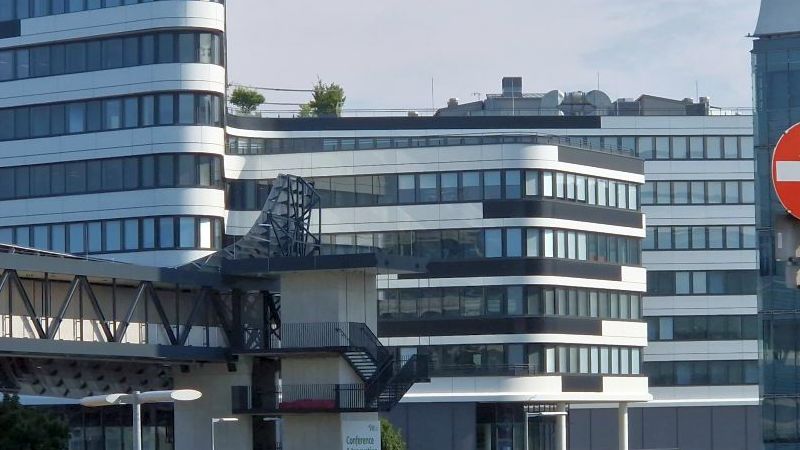
There are many questions that need to be answered within the organization: What role do we play in the region? How can we define our catchment area? Who are we competing with? Who can we collaborate with? What are we good at? Do we have the necessary resources and knowledge?
Important steps towards a strategy could include
- Vision and mission development
- Understanding and integrating organization’s existing goals
- Understanding the markets
- Erecting a concept paper for the next 20, 10 and 5 years
- Define and secure resources
- Creating road maps