Incorporating the Aviation system in the landside development
Landside / Airside Interaction
The Aviation System & Commercial Synergy
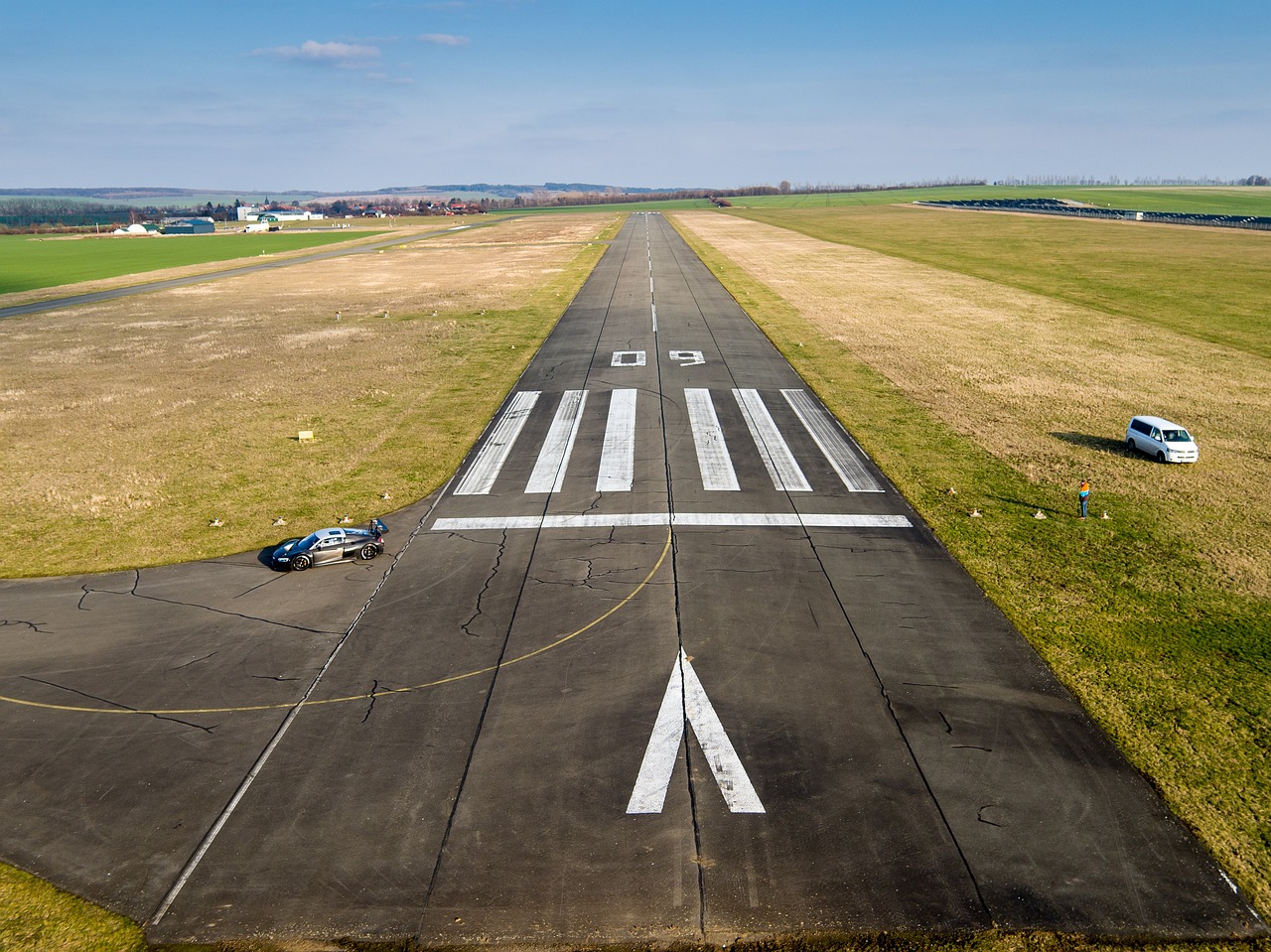
The immediate proximity to the airfield is the primary Unique Selling Point (USP) of an Airport City, yet the synergy between aviation operations and real estate development is a complex relationship that requires precise management. A successful business precinct must leverage its location without allowing the stringent requirements of the aviation system to stifle commercial vitality.
Harnessing the Airport Advantage
The value of being "on-site" is rooted in the direct access to global connectivity and specialized infrastructure that city-center locations cannot replicate:
- Multimodal Connectivity: Seamless links between terminals, high-speed rail, and the business campus provide a level of accessibility that is a core driver for international corporations.
- Cargo & Logistics Integration: For companies in the supply chain, the proximity to air cargo hubs and advanced logistics systems—including emerging trends like autonomous transport and vertical cargo solutions—is a critical operational advantage.
- Security & Resilience: The airport’s high standards of security and resilient infrastructure (such as Smart Grids and advanced network tech) provide a stable environment for sensitive business operations.
Navigating Mutual Dependencies There is an inherent mutual dependency between the two worlds: the aviation system relies on the landside for essential services and commercial revenue, while landside tenants depend on the "heartbeat" of the airfield for their global reach. Effective management involves navigating the overlap between Airside and Landside—balancing security protocols with the need for an open, inviting business environment. By harmonizing these dependencies, the airport transforms from a mere transit point into a highly efficient, integrated economic engine.