

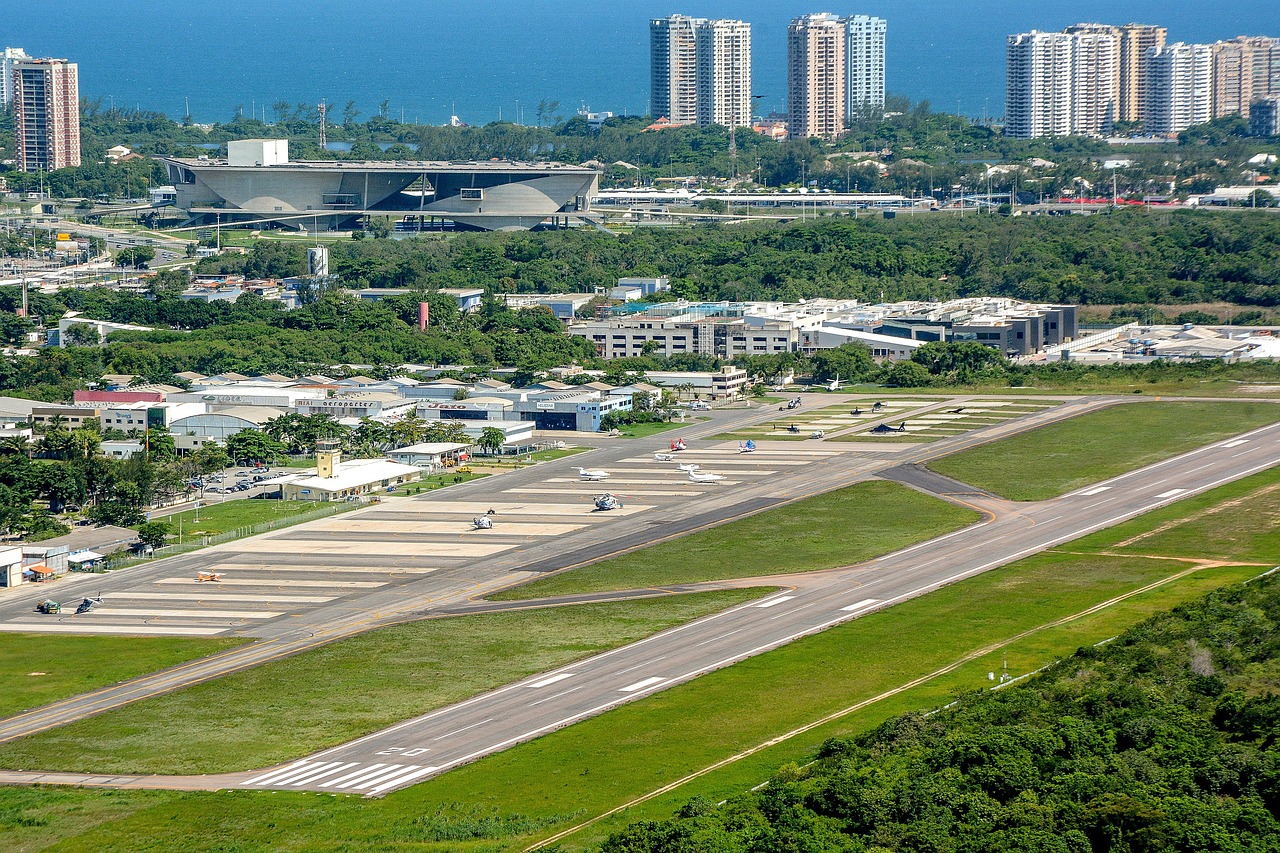
Land side
Real Estate Development
at Airports
Performance for the Market and for the own pocket
Strategic Real Estate Management
Real estate within an airport’s footprint is a unique asset class that serves as far more than just supportive infrastructure for the terminal. In a mature Airport City, land and buildings are treated as high-value, marketable assets that require professional Asset Management throughout their entire lifecycle. While airport teams are often technically proficient in maintaining these structures, the challenge lies in shifting the focus toward long-term value optimization and evolving market requirements.
The Intergenerational Nature of Assets Real estate is characterized by an exceptionally long lifetime, meaning the strategic decisions made today must anticipate the user requirements of tomorrow. A central target of modern airport development is to define why stakeholders will choose a specific office, logistics hub, or conference area in ten or twenty years’ time. This forward-looking approach ensures that the portfolio remains resilient against shifting work patterns and technological advancements.
From Infrastructure to Competitive Product Transforming raw land into a premium business location requires a sophisticated shift in perspective: from being a landlord of necessity to becoming a proactive developer of choice. This involves:
- Defining the Representation: Deciding what the real estate portfolio should represent and how it aligns with the overarching airport brand.
- Infrastructure Resilience: Ensuring that the underlying infrastructure is robust enough to meet future demands for space and connectivity.
- Market-Aligned Development: Creating products that actively compete with the most prestigious business districts in the metropolitan region.
By treating real estate as a core strategic product and making the right investment decisions today, airports can reap the benefits of a stabilized, high-performing portfolio in the future. This proactive stewardship provides the financial "ballast" needed to weather the inherent volatility of the aviation industry.